

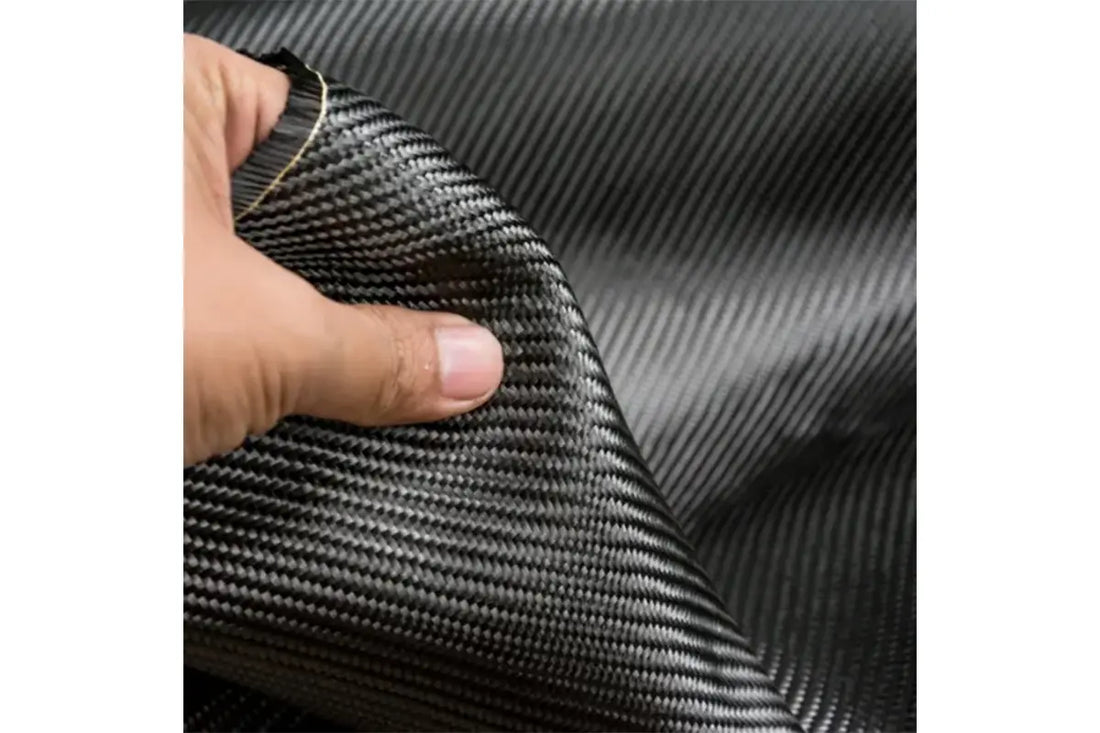
Kevlar's Edge: A Deep Dive into the Pros and Cons of Kevlar Body Armor
In an era where personal safety is paramount, the choice of body armor can be a critical decision for those in high-risk professions or even for civilians in unpredictable environments. Kevlar, developed by DuPont, has become synonymous with bulletproof vests due to its remarkable properties. However, no material is without its trade-offs. This comprehensive analysis explores the dual facets of Kevlar body armor, helping you understand whether it's the right choice for your protective needs.
Please note, per body armor experts RMA Armament, “It should be noted that as a ballistic product Kevlar is outdated and has been relegated to the world of cheap budget armor. Kevlar was the first ballistic fiber, but it wasn’t the last. Kevlar should be your absolute last choice when Twaron, Dyneema, and other advanced fabrics are available to you that create thinner and lighter armor packages with protection that is equal to, if not better than Kevlar.”
The Pros of Kevlar Body Armor
- Superior Tensile Strength -
- Kevlar fibers are renowned for their strength-to-weight ratio. They are five times stronger than steel on an equal weight basis, which translates into lighter and more comfortable armor.
- Product Highlight: The RMA Armament Level IIIA Soft Armor utilizes para-aramid (not Kevlar) to provide excellent protection against handgun rounds while keeping the vest lightweight.
- Kevlar maintains its structural integrity across a wide range of temperatures, from -196°C to 300°C, making it ideal for various operational environments.
- This property is particularly beneficial in scenarios involving fire or extreme weather conditions, ensuring the armor does not degrade under heat stress.
- Unlike rigid materials, Kevlar allows for flexibility, which can be crucial for mobility during tactical operations.
- Product Highlight: The Contego Concealable Soft Body Armor Vest is one of the most advanced level IIIa soft body armor vests on the market today, boasting lightweight NIJ Certified IIIa body armor for maximum concealability. In Latin, “Contego” is a verb that means to shield – precisely what the CCV is designed to no matter the ongoing operation.
- With decades in use, Kevlar has a well-established history in law enforcement and military applications, with numerous success stories in life-saving scenarios.
- Kevlar does not produce the same level of noise or signature as metal armors when moving, which is advantageous in stealth operations.
The Cons of Kevlar Body Armor
- Moisture Sensitivity -
- Kevlar can absorb moisture, which can compromise its ballistic performance by increasing weight and reducing tensile strength.
- Users need to ensure maintenance, like using water-resistant covers or treatments to mitigate this issue.
- Over repeated use, particularly under harsh conditions, Kevlar fibers can degrade. Regular checks and replacements are necessary to maintain effectiveness.
- While not the most expensive option, high-quality Kevlar armor can be costly, especially when compared to alternatives like UHMWPE for some applications.
- Standard Kevlar vests are generally not effective against rifle bullets, necessitating hard armor inserts for higher levels of protection.
- Product Highlight: For those needing extra protection, RMA Armament offers Ceramic Plate Inserts that can be used alongside their Kevlar vests to stop rifle rounds.
- Kevlar, while excellent against bullets, can be less effective against sharp-edged weapons like knives or shrapnel unless specifically designed for such threats.
Kevlar in Various Applications
- Law Enforcement -
- Kevlar's balance of protection and comfort makes it a staple in police forces. It's often used in vests that need to be worn for extended periods.
- Military Use -
- While the military often uses a combination of materials, Kevlar remains a key component in undergarments and as a backing for ceramic plates due to its energy-dissipation qualities.
- Civilian Market -
- For civilians, Kevlar offers a discreet option for protection in uncertain times, with products like concealed vests that don't compromise daily wear comfort.
Choosing Kevlar: What to Consider
- Threat Level: Evaluate the primary threats you're likely to face. For handgun threats, Kevlar is often sufficient, but consider hybrid solutions for mixed threats.
- Comfort vs. Coverage: Decide how much mobility you need versus how much coverage. Kevlar allows for more extensive coverage due to its flexibility.
- Maintenance: Understand the lifecycle and care requirements of Kevlar armor. Regular inspection and maintenance are crucial for longevity.
In light of insights from body armor specialists like RMA Armament, it's clear that while Kevlar has been a foundational material in ballistic protection, newer materials have surpassed it in terms of efficiency and effectiveness. Experts suggest that for those looking for the latest in body armor technology, alternatives like Twaron and Dyneema offer thinner, lighter, and often superior protective qualities compared to Kevlar. Therefore, when selecting body armor:
- Opt for Modern Materials: Consider advanced fibers that provide better ballistic protection without the bulk.
- Evaluate Based on Current Needs: If budget or availability is a concern, Kevlar might still serve as an entry-level option, but with the understanding that it's not the cutting-edge choice.
For those interested in exploring these modern options, RMA Armament provides a variety of armor solutions. Whether you're looking for the latest in lightweight protection or need a cost-effective solution, they cater to a wide range of needs.
Explore More: For the best in modern body armor, visit RMADefense.com where you can find products incorporating the latest in ballistic technology to ensure your safety is up to date with current standards.


